
7 Business Ideas for Expatriates in Saudi Arabia, Easy to Set Up!
Saudi Arabia is rapidly becoming one of the most attractive destinations for expatriates who want to live, invest, and build long-term income. With expanding residency pathways and a stronger push toward private-sector growth, foreign residents now have more opportunities to establish businesses legally and operate them with structured support.
However, most expatriates are not looking to build complex corporations. What they need are businesses that are:
easy to set up
licensable
manageable with hired staff
capable of generating stable, recurring income
This is why the most realistic Business Ideas for Expatriates in Saudi Arabia are not large-scale ventures, but essential, service-driven models embedded in everyday life.
Below are seven business opportunities that align with market demand, licensing pathways, and expatriate ownership structures.
Why Essential Businesses Work Best for Expatriates?
Before choosing a business, expatriates must consider three key realities:
• Business licensing must align with residency and activity type.
• Operations should be manageable without full-time owner presence.
• Income should come from repeat demand, not trends.
Essential service businesses meet all three conditions. They are easier to launch, easier to license, and easier to operate through staff-based systems.
1. Laundry Service
Laundry services are one of the most stable and accessible Business Ideas for Expatriates due to constant demand in residential areas and expat communities.
Benefits
Laundry is a daily necessity, not a trend. Demand remains consistent across economic conditions, especially in urban areas where apartment living is common. The business generates recurring income and can expand into multiple locations once established.
Licensing
Laundry services fall under commercial service activities and follow a structured licensing pathway involving:
• Commercial registration
• Municipality approval
• Operational compliance
Because this is a standard service sector, the approval process is typically straightforward when structured correctly.
Owner Involvement
Owner involvement is highest during setup, including equipment procurement and staffing. After launch, operations can be handled by trained employees, with the owner focusing on supervision and financial management.
2. Home & Apartment Cleaning Service
Cleaning services continue to grow as urban lifestyles shift and more households outsource routine tasks.
Benefits
This model offers recurring income through subscriptions and service contracts. It is manpower-driven, meaning scaling is possible by expanding teams rather than infrastructure.
Licensing
Cleaning services are registered under service-based business activities and generally require:
• Commercial activity registration
• Employment compliance
• Operational permits
Because the model is non-industrial, licensing is typically faster than more complex businesses.
Owner Involvement
Owners manage contracts, pricing, and performance, while day-to-day operations are handled by team leaders and cleaning staff.
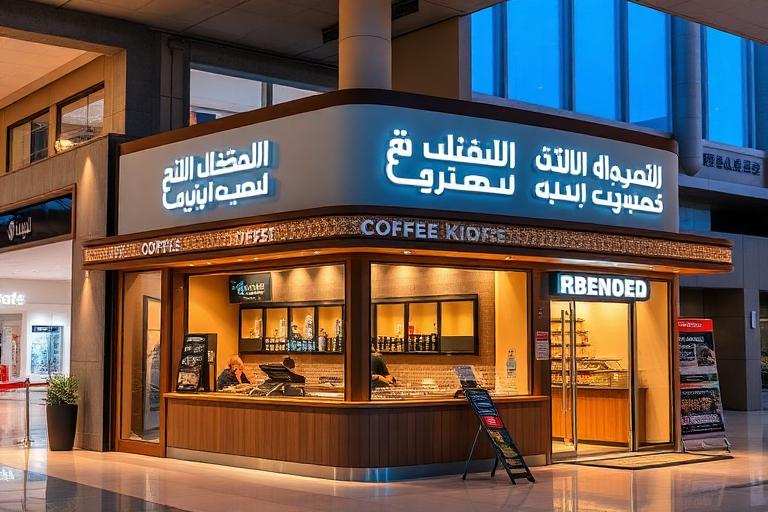
3. Coffee Kiosk or Takeaway Coffee Shop
Coffee consumption is deeply embedded in Saudi daily life, making small-format coffee concepts one of the most practical Business Ideas for Expatriates.
Benefits
Coffee kiosks require smaller spaces, simpler menus, and lower operational complexity than full cafés. They generate high daily transaction volumes and offer strong brand expansion potential.
Licensing
Food-related activities require:
• Commercial registration
• Food service licensing
• Municipality approvals
• Health compliance
Small takeaway models typically move faster through licensing than full-service restaurants.
Owner Involvement
After setup, daily operations are managed by staff and supervisors. Owners focus on performance monitoring and expansion.
4. Cloud Kitchen (Delivery-Only Food Business)
Cloud kitchens allow expatriates to enter the food sector without the cost and complexity of dine-in restaurants.
Benefits
Lower capital investment, smaller teams, and strong demand from delivery platforms make this a fast-growing model. It allows flexible menu development and scalability.
Licensing
Cloud kitchens require:
• Food preparation licensing
• Commercial registration
• Health and hygiene compliance
Without dine-in infrastructure, setup and approvals are simpler.
Owner Involvement
Owners manage brand direction and financial performance while kitchen teams handle daily operations.
5. Jewelry & Accessories Boutique
Saudi Arabia is one of the largest jewelry markets in the Gulf, supported by strong purchasing power and gifting culture, making it a relevant Business Idea for Expatriates.
Benefits
Jewelry and accessories are regularly purchased for weddings, celebrations, and social occasions. Consumer spending on personal luxury and fashion accessories remains strong, especially among urban populations and mall visitors. Small boutiques and kiosks can operate with curated inventory and high-margin products.
Licensing
Jewelry and accessories retail businesses typically require:
• Commercial registration
• Retail activity licensing
• Municipality approval for shop operations
As a non-industrial retail activity, approvals are generally straightforward when documentation is complete.
Owner Involvement
Owners are involved in supplier selection, product curation, and pricing strategy. Daily operations such as sales and customer service can be handled by shop staff.
6. Dessert & Sweet Shop
Saudi Arabia has a strong dessert consumption culture supported by family gatherings and social outings, positioning dessert retail as a stable Business Idea for Expatriates.
Benefits
The dessert and confectionery market continues to grow due to high youth population and evening lifestyle habits. High footfall in malls and residential districts drives impulse purchases. Seasonal peaks during Ramadan and Eid further increase demand.
Licensing
Dessert retail falls under food retail and requires:
• Commercial registration
• Municipality licensing
• Food handling and safety compliance
Because this is a standard F&B category, licensing pathways are well established.
Owner Involvement
Owners typically manage recipes, branding, and suppliers early on. Once established, operations can be run by kitchen staff and retail attendants.
7. Perfume (Oud & Bukhoor) Store
Fragrance consumption is deeply embedded in Saudi culture, making perfume retail one of the most culturally aligned Business Ideas for Expatriates.
Benefits
Saudi Arabia is among the largest fragrance markets in the region, with consistent demand for oud, bukhoor, and personal scents. Purchasing behavior is frequent and gifting-driven, supporting stable revenue even for small-format retail shops.
Licensing
Perfume retail businesses generally require:
• Commercial registration
• Retail licensing
• Product compliance documentation
As a consumer goods category, licensing is structured and commonly processed.
Owner Involvement
Owners focus on product sourcing, brand positioning, and supplier relationships. Sales operations can be handled by trained staff.
Why These Business Ideas for Expatriates Are Easy to Set Up?
These businesses share key characteristics:
• Clear licensing pathways
• Simple operational models
• Staff-based execution
• Recurring demand
• Manageable capital requirements
They are not trend-based startups. They are essential services embedded in everyday life in Saudi Arabia.
For expatriates, this means faster setup, lower operational risk, and more predictable returns.
The Role of Licensing & Proper Setup
Choosing the right idea is only the first step. Launching a business in Saudi Arabia requires:
• Selecting the correct business activity
• Aligning it with residency eligibility
• Securing commercial licenses
• Completing approvals
• Structuring staffing and operations
Without proper structuring, even simple businesses can face delays or compliance issues.
Best Partner for Set Up Your Business Ideas in Saudi Arabia
At Think Saudi, business setup is structured specifically for foreign residents who want to move from residency planning into business ownership.
Our support covers:
• Identifying the most suitable Business Ideas for Expatriates
• Aligning the business with residency pathways
• Selecting the correct licensing structure
• Handling registration and approvals
• Structuring operations and staffing
• Guiding activation and launch
This ensures businesses are not only easy to set up, but also legally compliant and built for sustainable operation. Each setup is prepared with clarity on licensing, cost structure, and operational readiness before launch.
Ready to Start Your Saudi Investment Journey?
Book a consultation to discuss your goals and get personalized guidance on property investment in Saudi Arabia.
Schedule a ConsultationRelated Articles
Moving to Saudi Arabia: How to Get Your Residence Permit (Iqama) in 2026
Are you planning to relocate to the Kingdom of Saudi Arabia? With the massive expansion of Vision 2030, the Kingdom has become a global magnet for professionals, investors, and entrepreneurs.
Foreigners Can Now Buy Real Estate in Saudi Arabia: 2026 Investment Guide
A historic shift is happening in the Middle East. Starting in January 2026, Saudi Arabia has officially opened its real estate market to international buyers.
Moving to Madinah 2026: the Ultimate Guide to Hijrah, Residency, and Cost of Living
For Muslims worldwide, living in Madinah Al-Munawwarah is the ultimate spiritual goal. The opportunity to wake up to the Adhan of Masjid Nabawi and live in the city that sheltered Prophet Muhammad ﷺ is a blessing beyond words.